Anchoring Safety: A Guide to NASC TG04:25 and Scaffold Ties
A comprehensive guide to Tying Scaffolding
16 June 2026
Every experienced scaffolder knows that ties are the backbone of a safe scaffold. Because façade access and other scaffolding configurations are typically tall and narrow, they rely heavily on secure attachments to a permanent building or structure to maintain stability. Without these anchors holding the structure firmly in place, it cannot safely withstand wind, heavy loads, or daily on-site activity.
To ensure stability across the industry, the National Access & Scaffolding Confederation (NASC) published TG04:25 Anchorage Systems for Scaffolding. Here is a breakdown of what this critical 24-page technical guidance covers and why strict compliance is non-negotiable.
What is TG04:25?
TG04:25 is an essential management guidance document aimed at scaffolding contractors, site managers, and operatives. Its primary objective is to raise standards and prevent incidents by outlining the correct design, selection, installation, and inspection of anchorage systems. By following this guidance, scaffolding contractors can ensure compliance with health and safety legislation and demonstrate that their scaffold structures remain secure and safe for continued use.
Selecting the Right Anchor
Not all anchors are created equal, and TG04:25 provides clear parameters for making the correct choice. Selecting the proper anchor involves several key technical considerations:
- Comparing the required working load against the anchor's recommended or allowable load
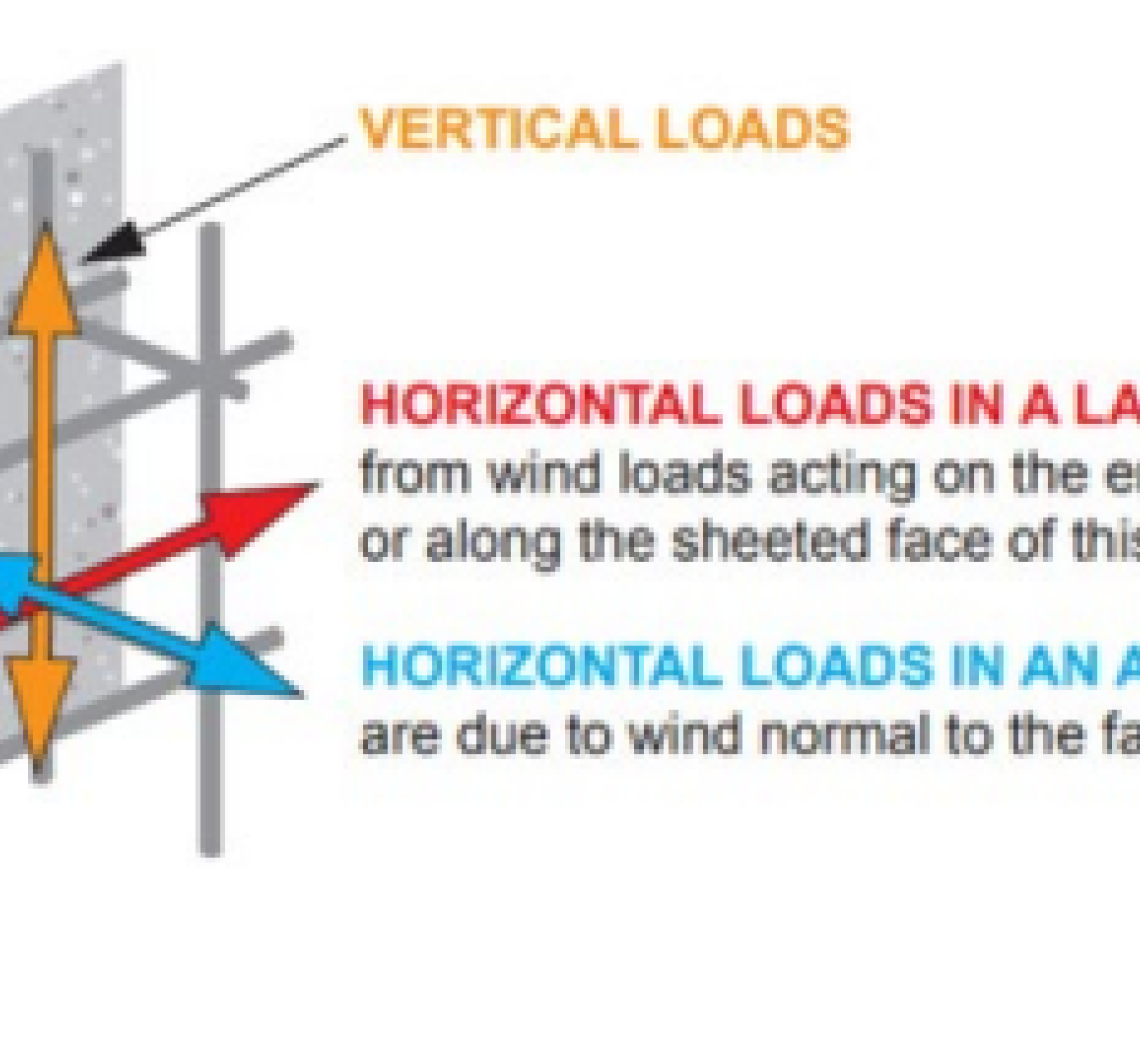
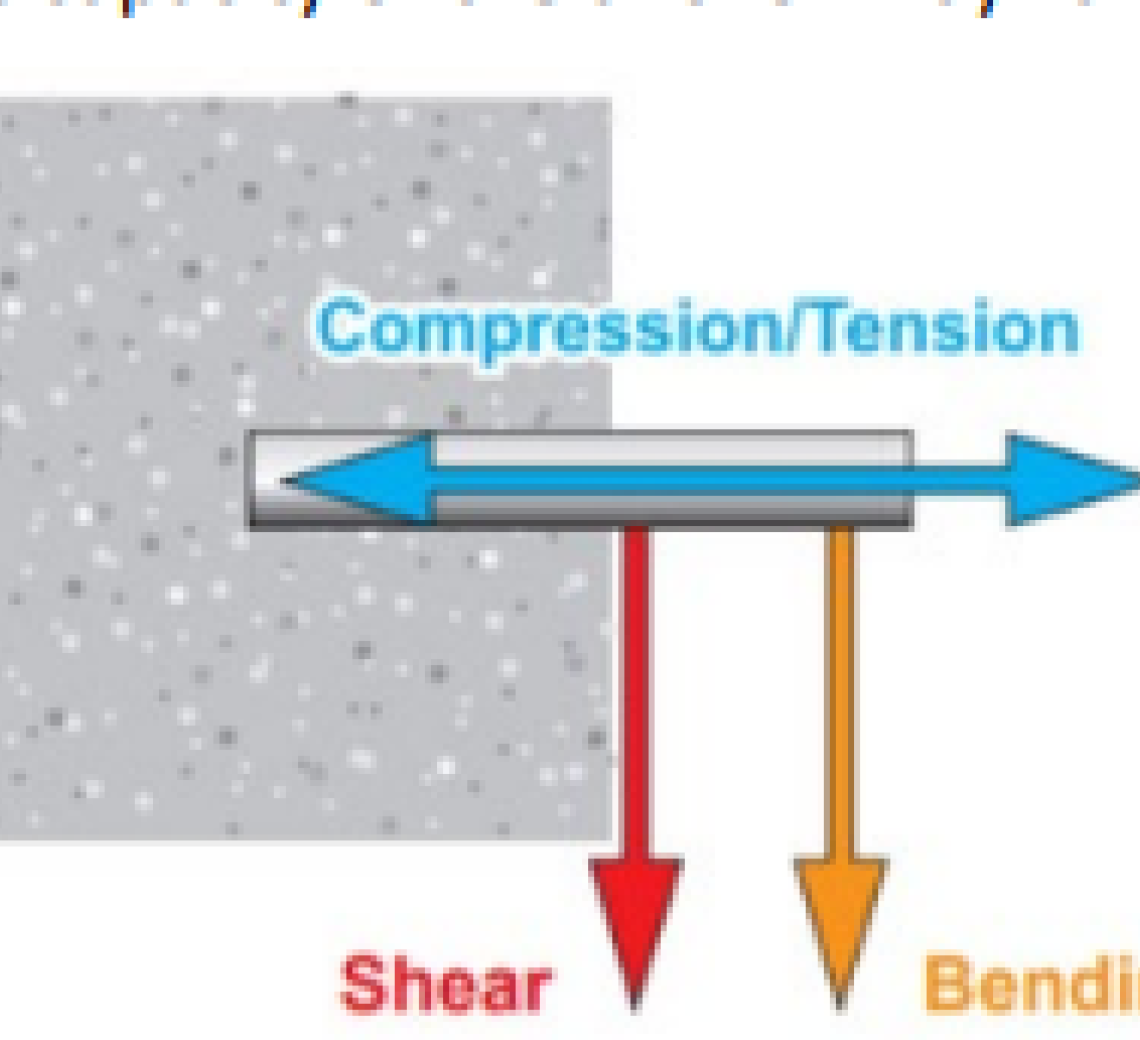
- Understanding exactly how forces are transferred through the ties and the specific directions they are applied.
The Testing Regimes: Proving Stability
Proving that scaffold ties are secure isn't just best practice; it is a strict compliance requirement. TG04:25 details two distinct types of testing to guarantee anchor performance:
1. Preliminary Testing
A minimum sample of 5 tests must be conducted to twice the tie load specified on the compliance sheet
Crucially, anchors subjected to preliminary testing should not be used in the final structure.
2. Proof Testing
It ensures the quality of the live installation across the project.
At least 5% of the anchors (or 1 in 20) must be chosen at random and tested.
- Sample anchors must be tested to a load that is 25% greater than the tie duty specified by the TG20 or TG30 compliance sheet, or the bespoke design
Competence and Traceability
Under TG04:25, the installation and testing of all anchors must only be carried out by trained and competent personnel, such as fully qualified CISRS scaffolders.
However, performing the test is only half the job. >span class="citation-1199 citation-end-1199">These records serve as critical proof of compliance and must remain readily available for inspection by clients, auditors, or the Health and Safety Executive (HSE) at any time.