Why is NASC important when evaluating Scaffolders for your Project?
Your comprehensive guide to NASC in the world of Scaffolding
16 April 2026
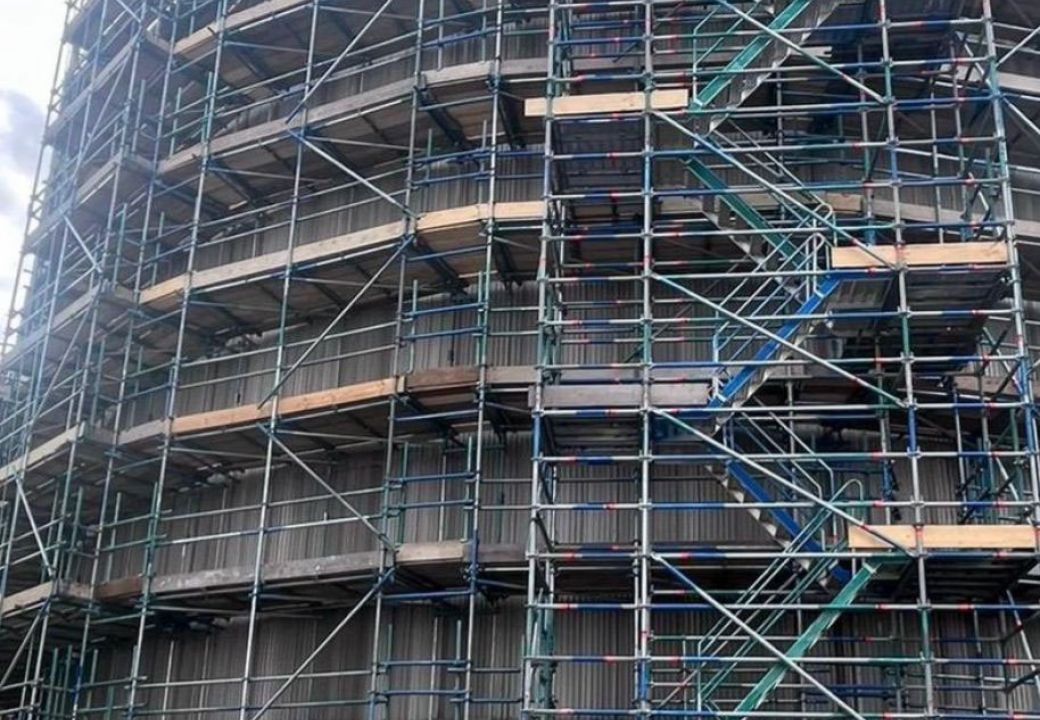
Whether you are a project manager overseeing a multi-million-pound commercial development, a local builder managing a housing estate, or a property owner undertaking a major renovation, your project will likely require one universal element: scaffolding.
Scaffolding is the temporary skeleton that allows construction, maintenance, and repair work to happen. Because it is temporary and often erected quickly, it is easy to underestimate the complex engineering and profound safety risks involved. Working at height consistently remains one of the highest risk activities in the UK construction sector. A poorly constructed scaffold can lead to project delays, structural damage, or, tragically, fatal accidents.
This presents a significant challenge when evaluating and selecting a scaffolding contractor. How do you look past a polished quote or a slick website to genuinely assess a company’s competence, safety culture, and reliability?
For decades, the UK construction industry has relied on a specific benchmark to answer this question: the National Access and Scaffolding Confederation (NASC). Here is an objective look at what the NASC is, what its audit process entails, and why its accreditation is considered a critical metric when procuring scaffolding services.
What is the NASC?
Established in 1945, the NASC is the recognised national trade body for access and scaffolding in the UK. However, it is important to understand that the NASC is not merely a networking group or a subscription service where any business can pay a fee to display a logo on their vans.
The NASC is a highly regulated confederation that actively shapes industry standards. It works in close collaboration with the Health and Safety Executive (HSE), the Construction Industry Training Board (CITB), and Build UK. When government bodies and safety regulators look for best practices, guidance, and technical standards for working at height, they look to the framework established by the NASC.
The Core Value: A Rigorous Audit Process
The primary reason NASC membership holds weight in the industry is the barrier to entry. To attain and maintain full membership, a scaffolding contractor must subject themselves to a stringent, independent, biennial audit.
When a project evaluator sees a valid NASC certificate, they are essentially looking at the results of a comprehensive vetting process that they did not have to conduct themselves. The NASC auditor reviews both the company’s administrative headquarters and their live operational sites.
Here is what the audit scrutinises:
Training and Competence: The audit mandates that a highly specified majority of the contractor’s workforce is fully registered with the Construction Industry Scaffolders Record Scheme (CISRS). This ensures that the individuals physically erecting the structure have undergone standardized, industry-approved training.
Health and Safety Management: The auditor does not just check that Health and Safety policies exist; they verify that risk assessments, method statements, and accident reporting procedures are actively implemented on-site.
Equipment Quality: Scaffolding stock takes a beating. The audit includes yard inspections to ensure that tubes, fittings, and boards are stored correctly and that damaged or substandard equipment is quarantined and removed from circulation.
Financial and Insurance Status: The NASC checks the financial stability of its members and requires them to hold adequate Employer's Liability and Public Liability insurance. This protects the client from the fallout of a contractor going insolvent mid-project or lacking cover in the event of property damage.
Technical Excellence: Adherence to TG20 and SG4
Two acronyms dominate the UK scaffolding landscape: TG20 and SG4. Both are comprehensive guidance documents produced by the NASC, and members are contractually bound to operate in accordance with them.
TG20: Structural Compliance TG20 (currently TG20:21) is the definitive guide for "Good Practice Guidance for Tube and Fitting Scaffolding." It provides standard, engineered configurations for everyday scaffolds. If a scaffold is erected exactly to a TG20 compliance sheet, it is structurally sound and does not require a bespoke, expensive engineering design. If a project requires a scaffold that falls outside these standard parameters, a NASC member is trained to recognise this and will commission a bespoke temporary works design. This eliminates the dangerous "rule of thumb" guesswork that can lead to structural failures.
SG4: Safe Systems of Work While TG20 ensures the scaffold stays up, SG4 ("Preventing Falls in Scaffolding Operations") ensures the scaffolders stay safe while building it. SG4 introduced vital safety concepts, such as the "Scaffolders' Safe Zone" and the mandatory use of advanced guard rails or specialised step-up tools. It ensures that operatives are never exposed to an unprotected edge without being properly clipped on with fall arrest equipment.
Weighing Cost vs. Value
A common observation when evaluating scaffolding bids is that NASC-accredited contractors may not always return the cheapest initial quote. It is important for anyone evaluating a project to understand why this disparity exists.
Maintaining NASC status requires continuous investment. The contractor must pay for ongoing CISRS training for their staff, invest in high-quality fall-prevention equipment, maintain rigorous health and safety administrative personnel, and submit to the costs of the audit itself. A non-accredited contractor operating without these overheads can often undercut the market.
However, experienced project evaluators look beyond the bottom line to assess the overall project risk. A cheaper contractor who builds a non-compliant scaffold can cause massive delays when the structure fails a safety inspection and needs to be rebuilt. Worse, if a serious accident occurs due to poor practice, the resulting HSE investigations, site closures, and potential legal liabilities will eclipse any initial savings. Hiring an NASC member is often viewed as a proactive investment in programme reliability and risk mitigation.
Legal Duties and Peace of Mind
Under the UK’s Construction (Design and Management) Regulations 2015 (CDM 2015), anyone commissioning construction work has a legal duty to ensure that the contractors they appoint have the necessary skills, knowledge, and experience to do the job safely.
While it is entirely possible for a non-NASC scaffolding company to be highly competent and safe, it is much harder for a client or project manager to definitively prove that competence without conducting their own exhaustive audits. Mandating or prioritising NASC membership provides a clear, defensible paper trail. It demonstrates that the person procuring the services took reasonable, recognisable steps to ensure the safety and compliance of their supply chain.
Summary
Evaluating scaffolding contractors should never be based on price alone. The physical safety of workers and the structural integrity of the project rely heavily on the competence of the scaffolding team.
While NASC membership is not the only indicator of a good scaffolder, it is the most comprehensive, independently verified standard available in the UK. By understanding the rigorous auditing, training, and technical standards that back up the NASC badge, project evaluators can make informed, confident decisions that prioritise safety, compliance, and long-term project success.