Temporary Works - Why is it Important?
An inside look into Temporary Works
16 June 2026
Understanding Temporary Works: The Hidden Backbone of Safe Scaffolding
When you look at a live construction site, the finished building is what draws the eye. But getting to that final, permanent structure is impossible without the highly engineered, meticulously planned support systems operating behind the scenes.
In the construction industry, these support systems are known as temporary works—and in the world of scaffolding, they are the absolute foundation of everything we do.
At KAS Scaffolding, we don't just "put up tubes and boards." We deliver engineered access solutions. Here is a breakdown of what temporary works are, why they matter, and how strict compliance keeps our sites across London and the Home Counties safe and moving forward.
What Are Temporary Works?
Put simply, temporary works provide an engineered solution to support or protect an item of plant, the sides of an excavation, or a permanent structure during the construction phase. Crucially, they also provide safe access for operatives to do their jobs.
In our sector, temporary works include:
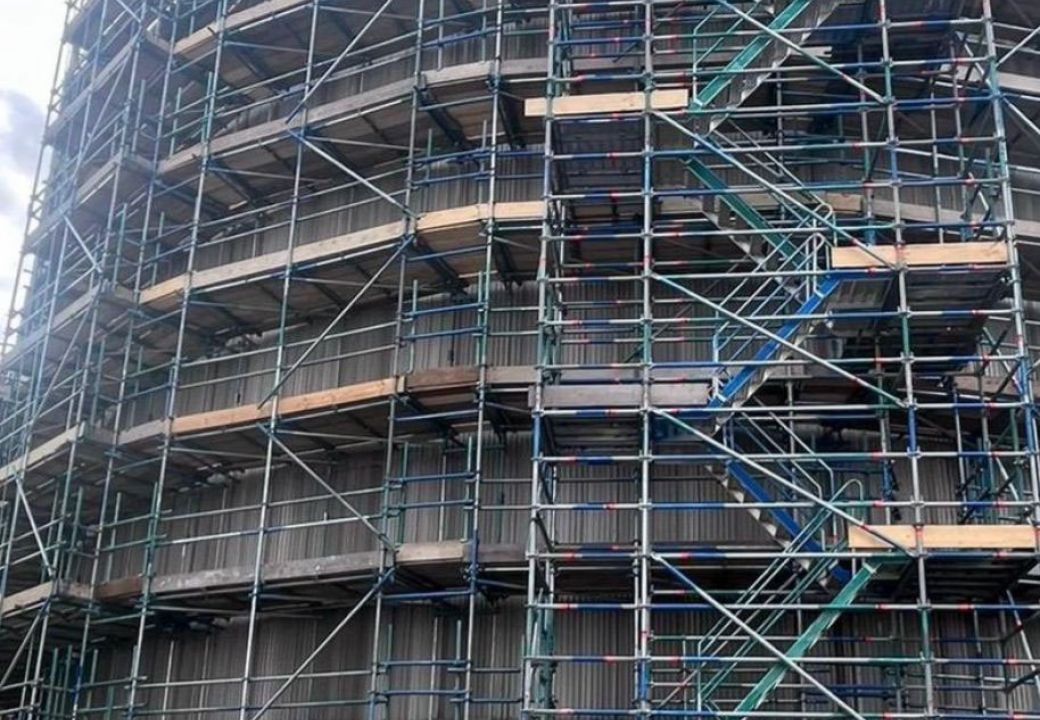
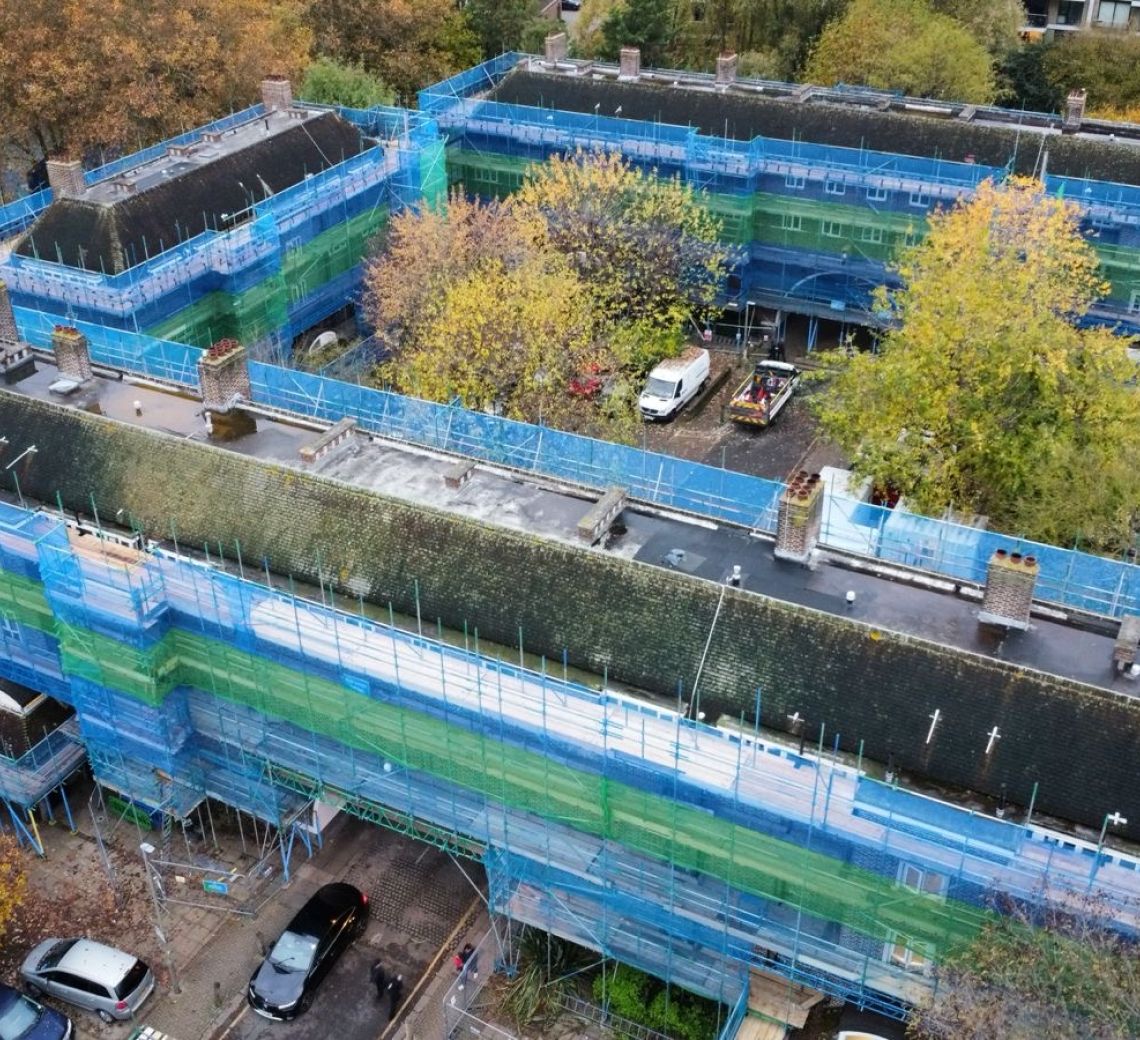
Access scaffolding (independent, birdcage, and system scaffolds)
Temporary roofs and weather protection
Falsework (propping for concrete pours or structural alterations)
Shoring to support existing structures
Heavy-duty loading bays and lifting gantries
While these structures are eventually dismantled once the permanent work is stable, their design and execution must be treated with the exact same level of engineering rigor as the final building itself.

The Gold Standard: BS 5975
In the UK, the management of temporary works is governed by strict legal and industry standards, the most critical being BS 5975.
Recently updated with the release of BS 5975:2024, this British Standard is the recognised code of practice for the procedural control of temporary works. It clearly defines how temporary structures should be planned, designed, checked, and managed on site.
Compliance with BS 5975 is not optional; it is a legal necessity under the Work at Height Regulations and the Construction (Design and Management) Regulations (CDM). It ensures that every load, wind factor, and structural stress is accounted for before a single spanner is turned on site.
The Role of the Temporary Works Coordinator (TWC)
A key requirement of BS 5975 is the appointment of a Temporary Works Coordinator (TWC) by the principal contractor.
At KAS Scaffolding, we view our relationship with the site TWC as a vital partnership. We make their job easier by:
Providing clarity: Supplying comprehensive design drawings, calculations, and risk assessments up front.
>span class="citation-45">Maintaining compliance: Adhering strictly to NASC guidance, particularly SG45:22 (Management of Scaffolding Operations to BS 5975).
Delivering competence: Ensuring our CISRS-trained operatives erect the scaffold exactly as the design dictates, with zero unauthorized alterations.
Why It Matters: Beyond Just "Getting Access"
Treating scaffolding as a formal temporary works process rather than an afterthought is essential for three major reasons:
Preventing Catastrophic Failure: Scaffolds are often subjected to massive loads - from stacks of bricks to extreme wind forces. Bespoke design and temporary works calculations ensure the structure won't buckle or collapse under pressure.
Protecting the Public: When working on busy high streets or residential areas, a failing temporary structure isn't just a site hazard; it's a public safety emergency. Proper planning ensures exclusion zones, gantries, and structural ties are fundamentally sound.
Ensuring Smooth Handovers: A scaffold built to a compliant, signed-off temporary works design won't fail an inspection. This prevents costly work stoppages and keeps your project timeline intact.
The KAS Scaffolding Approach
Because we sit on the NASC's Audit and Training & Education committees, we are deeply embedded in the regulations that govern our industry. We don't guess when it comes to load-bearing capacities or structural ties.
If a scaffold falls outside the standard configurations of the NASC’s TG20 guidelines, we immediately engage our design engineers to produce bespoke, BS 5975-compliant drawings. We believe that temporary works shouldn't be a headache for principal contractors - they should be a seamless, heavily regulated process that guarantees site safety from the ground up.