Understanding TG27:25: Cladding of Scaffolding
The ultimate guide to safe, compliant, and weatherproof scaffold encapsulation.
12 May 2025
A KAS Scaffolding Guide: The Dos and Don'ts of Scaffold Cladding
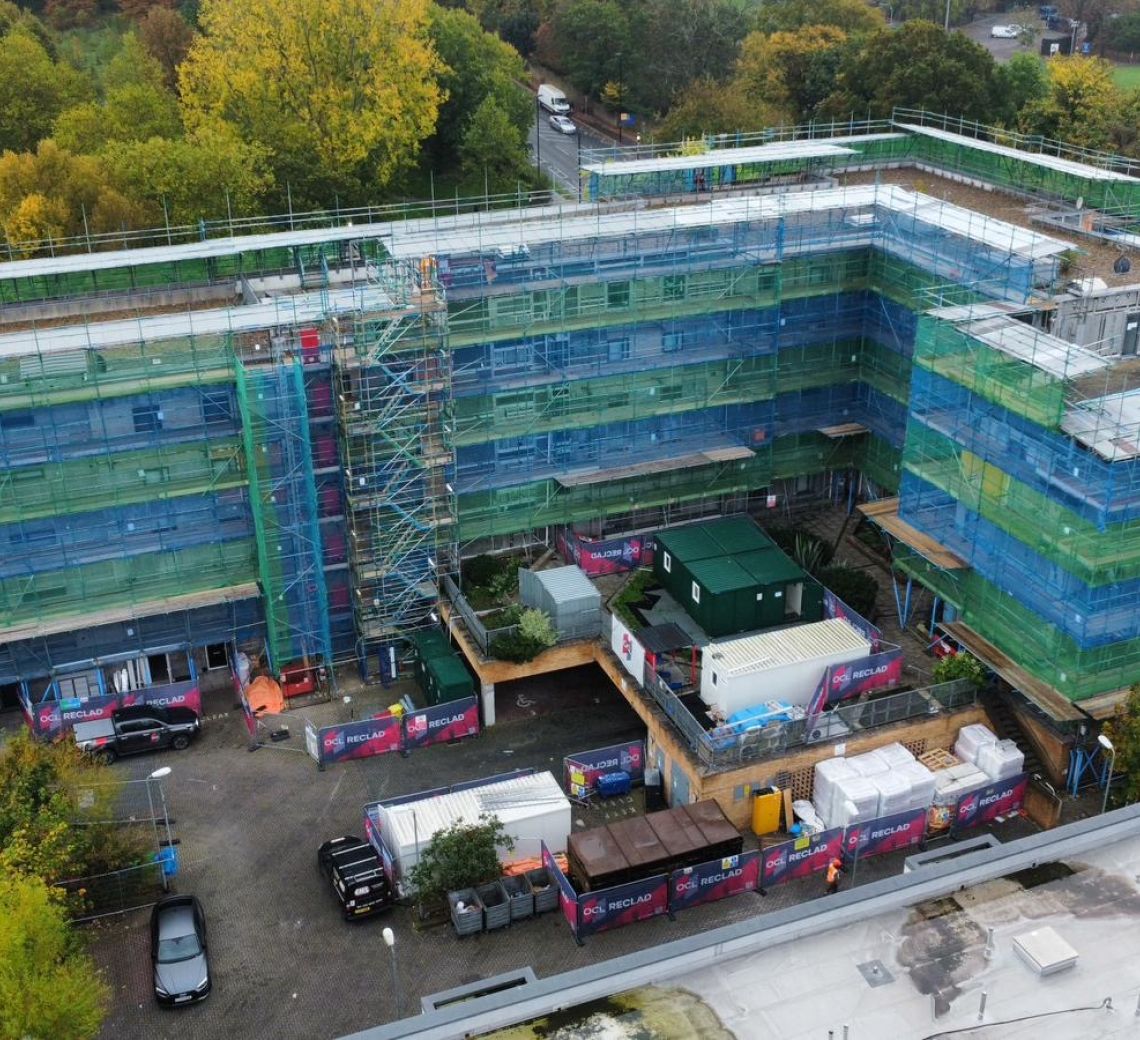
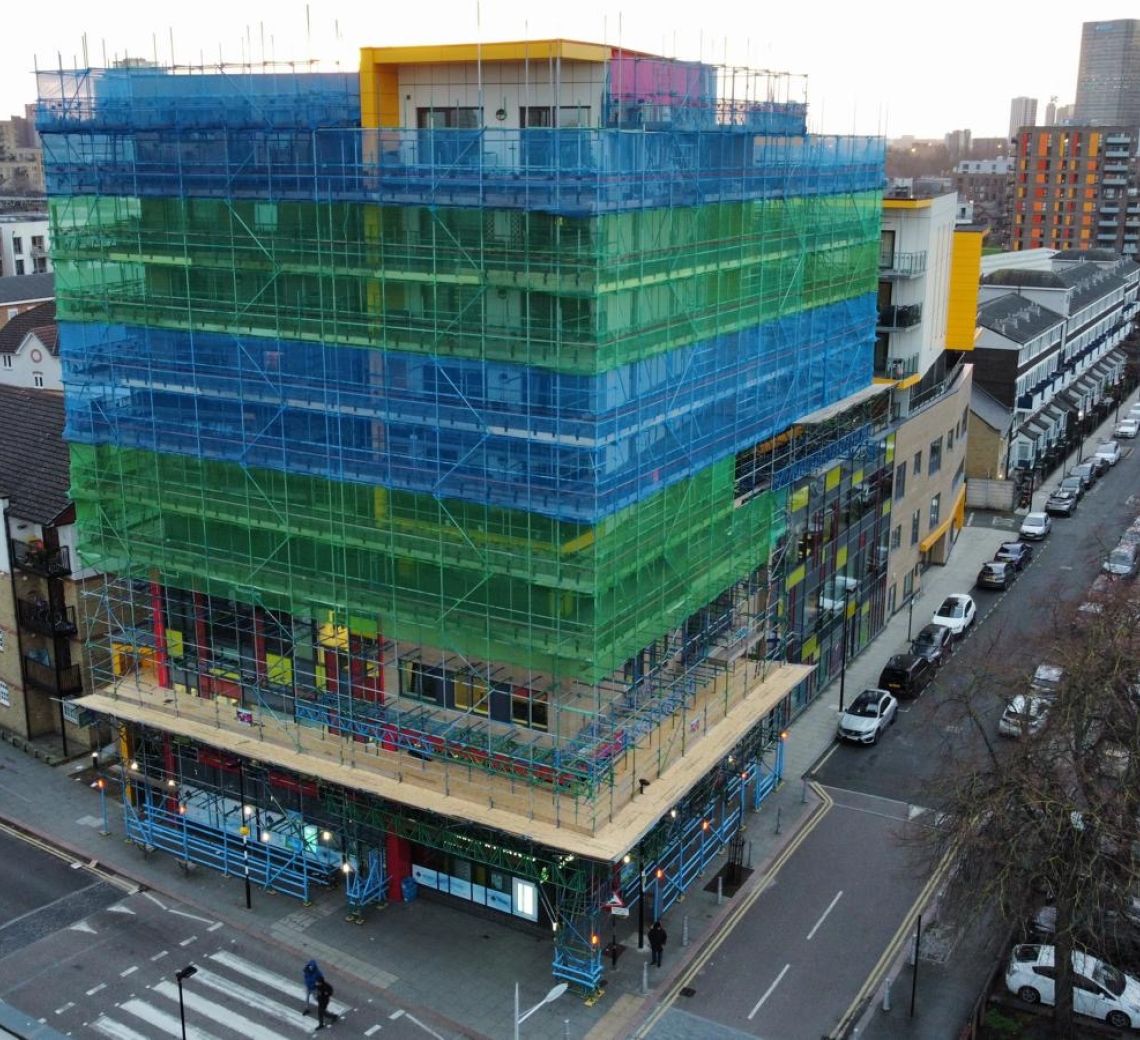
At KAS Scaffolding, we know that a well-clad scaffold is essential for a safe, efficient, and weatherproof site. Scaffold cladding is designed to shield workers from adverse weather, protect the surrounding environment from construction dust and debris, and keep project timelines on track regardless of the forecast.
Whether you are using lightweight netting or heavy-duty shrink-wrap, following proper installation guidelines is critical. Based on the latest NASC TG27:25 technical guidance, we have put together this essential guide on the dos and don'ts of scaffold cladding
Understanding Your Cladding Options
Before diving into the best practices, it is important to select the right material for your specific project needs.
Debris Netting: A lightweight, porous option made from polyolefin fibers, ideal for short-term projects and mild weather. It provides basic environmental protection against light debris.
Reinforced Plastic Sheeting: Made from durable polyethylene, this sheeting is laminated over a woven grid for high tear strength. It offers excellent weather encapsulation and is secured using elasticated ties.
Shrink-Wrap Sheeting: Originally used in marine and freight transport, this durable plastic film shrinks when heated to create a highly secure, drum-tight barrier against wind and rain.
The Dos of Scaffold Cladding
To maintain the integrity of your scaffold and the safety of your site, always adhere to these best practices:
DO secure debris netting properly: Use UV and heat-stabilised cable ties with a minimum width of 4.8mm and a minimum breaking strain of 22kg.
DO follow strict spacing rules: Fix debris netting to the scaffold at every available eyelet, ensuring ties are spaced at a maximum of 1 square meter. This ensures wind loads are evenly distributed.
DO overlap reinforced sheeting: To prevent gaps and ensure continuous weather protection, overlap sheeting by 120-200mm.
DO specify flame-retardant materials where necessary: If there is a foreseeable risk of fire, use flame-retardant sheeting or netting. Ensure the material is independently certified to Certifire TS 62/63 or LPCB LPS 1207/1215 standards
DO verify printing on fire-retardant sheets: Be aware that printing logos or colors using solvent inks can adversely affect a material's flame-retardant qualities. Always check if the fire certification applies to printed or unprinted materials.
DO pad sharp edges for shrink-wrap: Because shrink-wrap forms a tight seal, sharp edges like tube ends or overhanging boards can cause tears over time. Cap tube ends, cover fittings, and ensure all boards are flush.
DO utilize patch ties for shrink-wrap: Because shrink-wrap is often only connected at 6.0m centers, leeward wind suction can cause massive localized loads. Use patch ties to achieve uniform load distribution across the scaffold facade
The Don'ts of Scaffold Cladding
Avoiding common pitfalls is just as important as following the rules. Make sure your site avoids these dangerous practices:
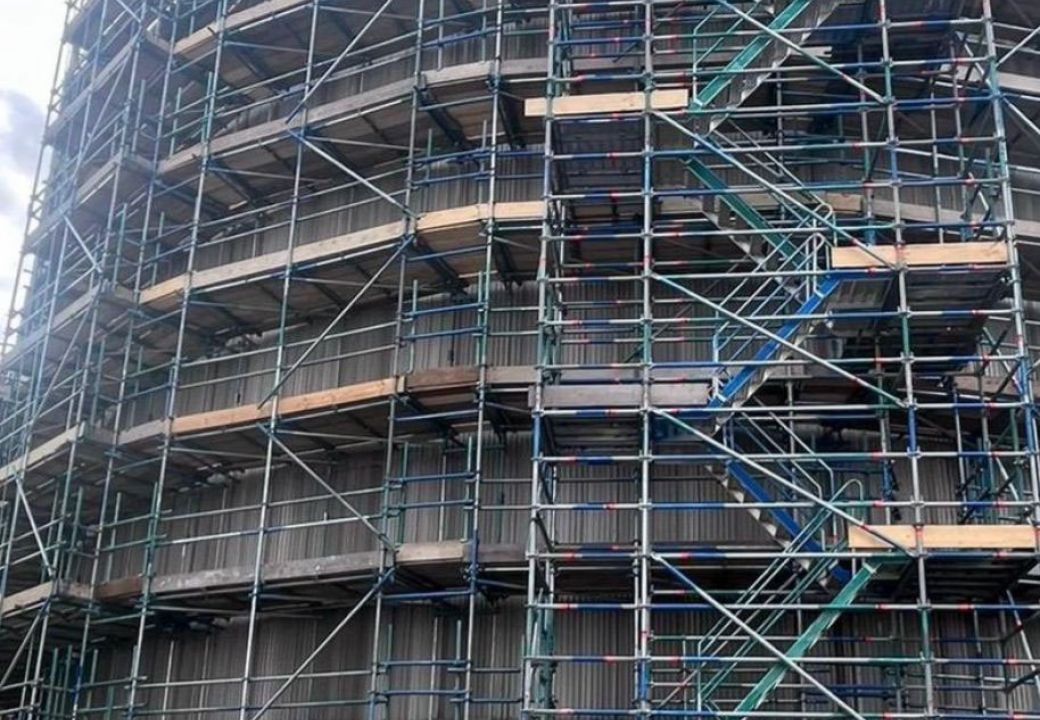
DON'T sheet escape routes: If the scaffold is part of a fire escape route, do not install cladding on stairways or ladder accessways. Keeping these areas clear minimizes smoke accumulation and allows easier access for fire and rescue services.
DON'T ignore internal sheeting risks: While sheeting is usually fixed to the outside face, fixing it internally means wind acts on both the sheeting and the scaffold members. Never install internal sheeting without a bespoke design and calculations from a competent scaffold designer.
DON'T use shrink-wrap blindly on temporary roofs: Shrink-wrap is generally not recommended for large temporary roofs. Wind uplift on sheets connected only at the perimeter will impose substantial concentrated loads on the roof's edge members.
Weathering the Storm
When extreme or hurricane-force winds are forecast, proactive management is required. If the forecast exceeds the scaffold's design wind pressure, a risk-based decision must be made. This may involve safely partially dismantling the scaffold, safely removing specific sections of sheeting (with designer approval), or strengthening the scaffold's ties and bracing to handle the extra load.
At KAS Scaffolding, we ensure every sheet, net, and tie meets rigorous industry standards. Proper cladding protects your workforce, the public, and your bottom line.